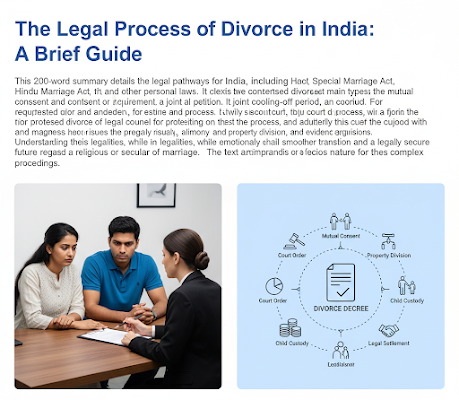
Divorce is a complex and emotionally challenging process, but understanding the legal avenues available in India can help individuals navigate it more smoothly. In India, divorce can primarily be obtained under different personal laws (like the Hindu Marriage Act, 1955, Christian Marriage Act, 1872, or Muslim Personal Law) or through the secular Special Marriage Act, 1954.
There are two main types of divorce: divorce by mutual consent and contested divorce. Mutual consent divorce is typically quicker and less contentious, requiring both spouses to agree on the terms of separation, including child custody, alimony, and property division. This usually involves a cooling-off period before the final decree.
A contested divorce is filed when one spouse seeks divorce and the other doesn't agree, or when they can't agree on the terms. Grounds for contested divorce can include cruelty, desertion, adultery, mental illness, or conversion to another religion. The process involves presenting evidence and arguments in court. Seeking legal counsel is highly advisable to ensure rights are protected and the process is managed effectively.
#DivorceLawIndia #FamilyLaw #IndianLaw #MutualConsentDivorce #ContestedDivorce #HinduMarriageAct #SpecialMarriageAct #LegalAwareness